
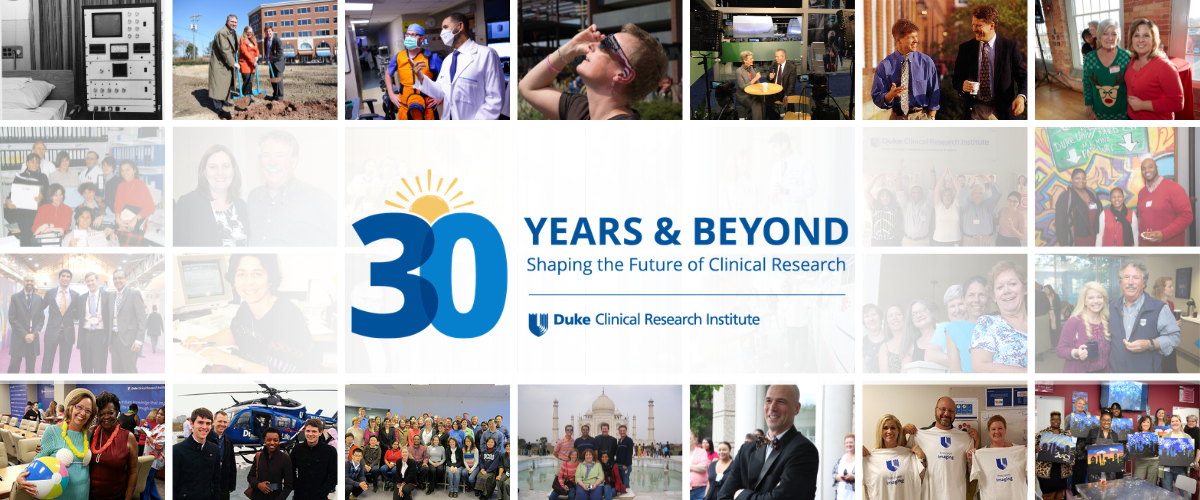
Throughout 2026, the Duke Clinical Research Institute is celebrating 30 years of developing, sharing, and implementing knowledge that improves health around the world through innovative clinical research.
Since our founding in 1996, the DCRI has become the world’s largest full-service, mission-driven academic clinical research organization, with expertise in cardiovascular medicine, respiratory and infectious diseases, pediatrics, digital health, implementation science, and more. Our legacy is defined by three decades of innovative science, effective partnerships, and reliable results—and by the people who have made it all possible.
Our Story: From Databank to Discovery
The DCRI’s story begins not in 1996, but nearly three decades earlier, sparked by a bold idea and an unexpected surplus: a hyperbaric chamber.
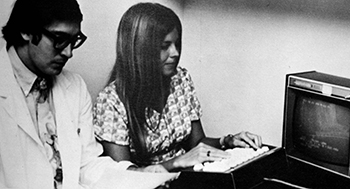
In 1967, Eugene A. Stead, Jr., MD, then chair of Duke’s Department of Medicine, secured a grant from the National Institutes of Health to create a computerized record system for cardiac patients. Stead brought together a unique team of physicians, statisticians, and computer programmers, and housed them in a repurposed hyperbaric chamber on the Duke campus known as the “Tin Hut.” Their mission was simple, though ambitious for the era: use computing technology to improve patient care. Working with C. Frank Starmer, MD, and programmer Paul Elliott, the group built some of the earliest computer systems for collecting clinical data, launching a data-driven approach to cardiovascular research ahead of its time.
That effort evolved into the Duke Databank for Cardiovascular Disease (DDCD)—officially founded in 1976 and still going strong today as the world’s oldest and largest cardiovascular database. DDCD became a testing ground for the model that would come to define the DCRI: pairing clinical insight with rigorous data analysis and operational expertise to generate evidence that shapes practice.

By the mid-1980s and into the 1990s, the group’s reach had grown far beyond cardiology. In 1986, they completed their first multicenter trial, followed in 1993 by their first international trial—GUSTO-I. At the time, it was the largest comparative thrombolytic study ever conducted. As their research portfolio expanded, Robert M. Califf, MD, who had served as clinical research codirector of the databank since 1983, recognized the need for a dedicated organization to support this growing body of work. In 1996, Califf established the Duke Clinical Research Institute, uniting the DDCD's research groups under one roof and establishing the infrastructure for what would become a global research enterprise.
Over the past three decades, the DCRI has grown from a cardiology-focused research group into a multidisciplinary powerhouse conducting studies across an impressive range of clinical areas. Today, our portfolio spans cardiovascular medicine, respiratory and infectious diseases, pediatrics, neurology, digital therapeutics, implementation science, participant engagement, and more, reflecting our commitment to following the evidence wherever it leads.

Along the way, the DCRI has served as the coordinating center for more than a dozen federally funded research networks, contributed to drug label changes that have improved care for millions of patients, published thousands of high-impact academic papers, and partnered with research sites across the United States and the globe. Our faculty are regularly recognized among the world’s top 1% of the most highly cited researchers, and DCRI studies have been named among the most practice-changing in modern medicine.
But for all that has been accomplished, the DCRI has never been an organization content to rest on its record. Throughout our history, we’ve continually reimagined how clinical research is designed and conducted. That spirit of reinvention continues today—and it guides everything the DCRI is building for the future.
Milestones That Matter
From its earliest days, the DCRI’s history is marked by milestones that have advanced science, shaped policy, and improved patient care. Below are select highlights from three decades of impact.
- 1967: NIH awards Myocardial Infarction Research Unit grant to Duke; physicians, statisticians, and programmers begin collaborating in the “Tin Hut.”
- 1976: Duke Databank for Cardiovascular Disease officially established
- 1984: First electronic electrocardiogram core laboratory created
- 1986: First multicenter clinical trial completed (TAMI-1)
- 1993: First international trial completed (GUSTO-I), the largest comparative thrombolytic trial in history at the time
- 1996: Duke Clinical Research Institute founded
- 2000: The DCRI becomes a founding member of the Clinical Data Interchange Standards Consortium (CDISC), helping establish global data standards for clinical research
- 2006: Duke receives NIH Clinical and Translational Science Award; Duke Translational Medicine Institute launched under Califf’s leadership
- 2010: NIH awards $95 million grant to the DCRI’s Danny Benjamin, MD, PhD, for the Pediatric Trials Network, which has since contributed to label changes for 26 drugs
- 2011: ARISTOTLE trial demonstrates apixaban is safer and more effective than warfarin; later named to Drazen’s Dozen as one of 12 studies that most changed clinical practice since 2000
- 2012: The DCRI is awarded a $9 million grant to serve as the coordinating center for the NIH Health Care Systems Research Collaboratory
- 2013: NIH awards $62 million to form the Antibacterial Resistance Leadership Group (ARLG), with the DCRI’s Vance Fowler, MD, MHS, as principal investigator
- 2015: The DCRI is awarded the first PCORnet demonstration study (ADAPTABLE) to determine optimal aspirin dosing for patients with heart disease; ION-4 trial results demonstrate 96% hepatitis C cure rate in coinfected patients
- 2016: The DCRI is named the coordinating center for ECHO, a $157 million federal initiative studying environmental factors in childhood health
- 2017: The DCRI launches Project Baseline with Stanford Medicine and Verily Life Sciences to study the transition from health to disease in 10,000 participants
- 2020: The DCRI rapidly mobilizes COVID-19 research programs, including HERO and RADx-UP, becoming Duke’s top awardee for federal pandemic research funding
- 2021: ADAPTABLE study results published in the New England Journal of Medicine, demonstrating the power of research enabled by electronic health records
- 2024: i-Cubed launched as the DCRI’s center for clinical research innovation
- 2025: UNICORN Network launched in partnership with 17 academic data coordinating centers; ARLG forms global alliance spanning four continents
Since DCRI’s inception, preeminent Duke University School of Medicine faculty members have served as our executive directors, guiding the institute’s leadership in the clinical research field.
Robert Califf, MD
DCRI Executive Director
1996-2006
Robert Harrington, MD
DCRI Executive Director
2006-2012
Eric Peterson, MD, MPH
DCRI Executive Director
2012-2018
Lesley Curtis, PhD
DCRI Interim Executive Director
2018-2020
Adrian Hernandez, MD, MHS
DCRI Executive Director
2020-Present
Voices of the DCRI
The DCRI’s story is best told by the people who have lived it. Throughout our 30th anniversary year, we will share conversations with the leaders, researchers, staff, and partners who have shaped the institute’s legacy and continue to chart its course.
Check back regularly, or follow us on social media, for video reflections, audio stories, and podcast episodes featuring in-depth conversations about the past, present, and future of clinical research.
“It seems like only yesterday that we were first imagining what could be accomplished if we organized an entity that was purposefully designed to enable faculty in leading and conducting multisite clinical research in concert with remarkably creative staff professionals."
Rob Califf, MD
DCRI's founding Executive Director
Faces of the DCRI


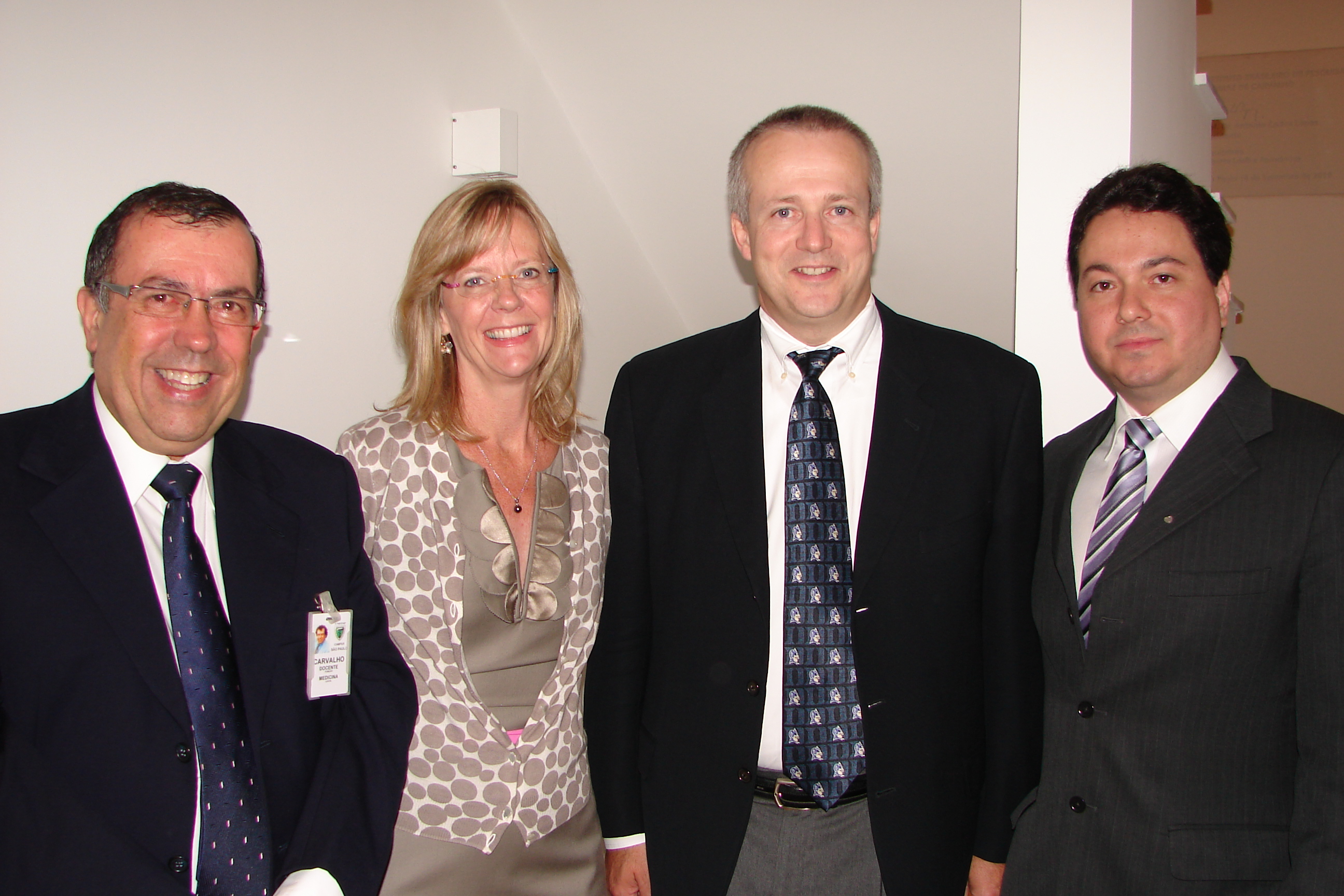
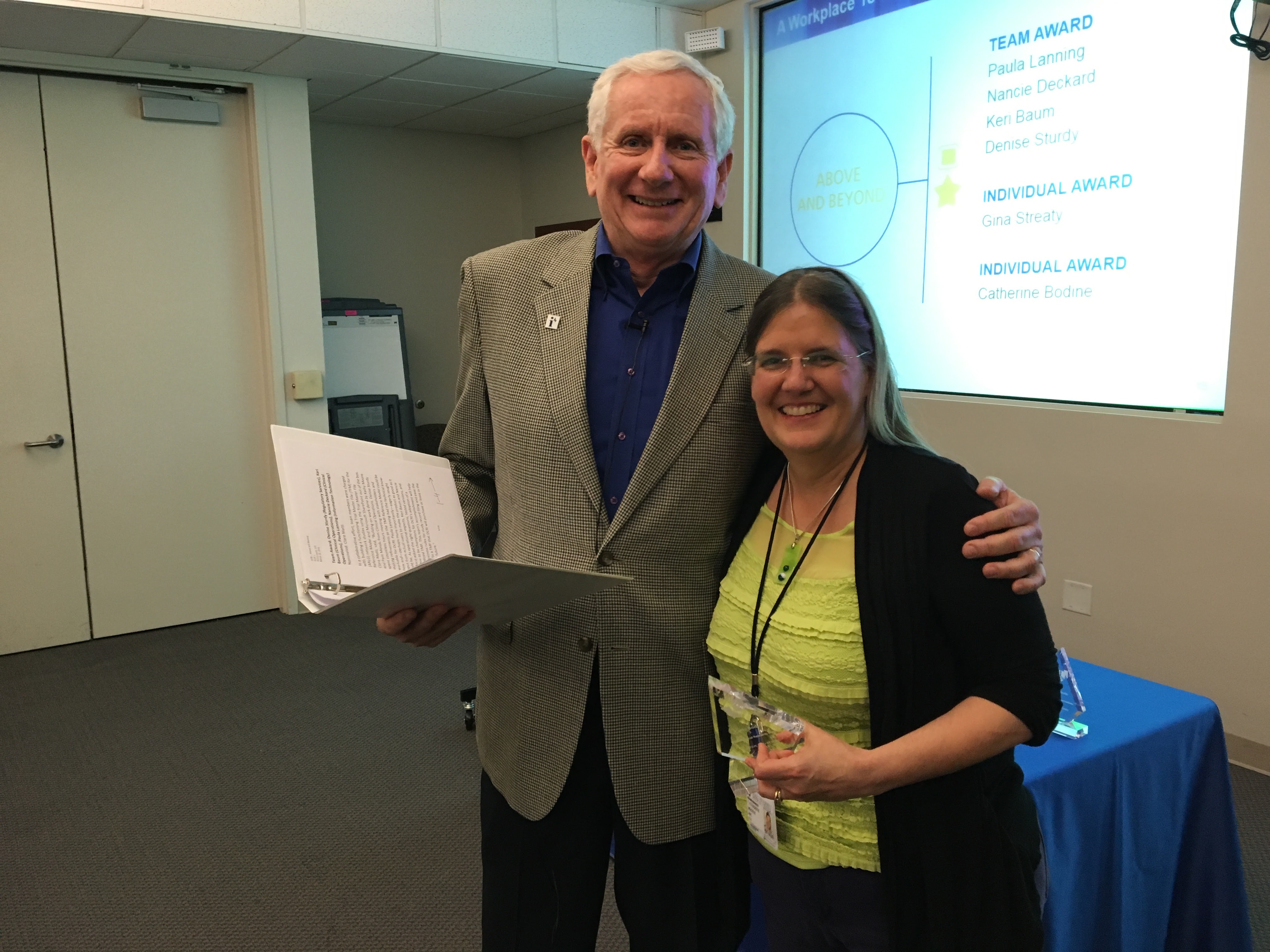


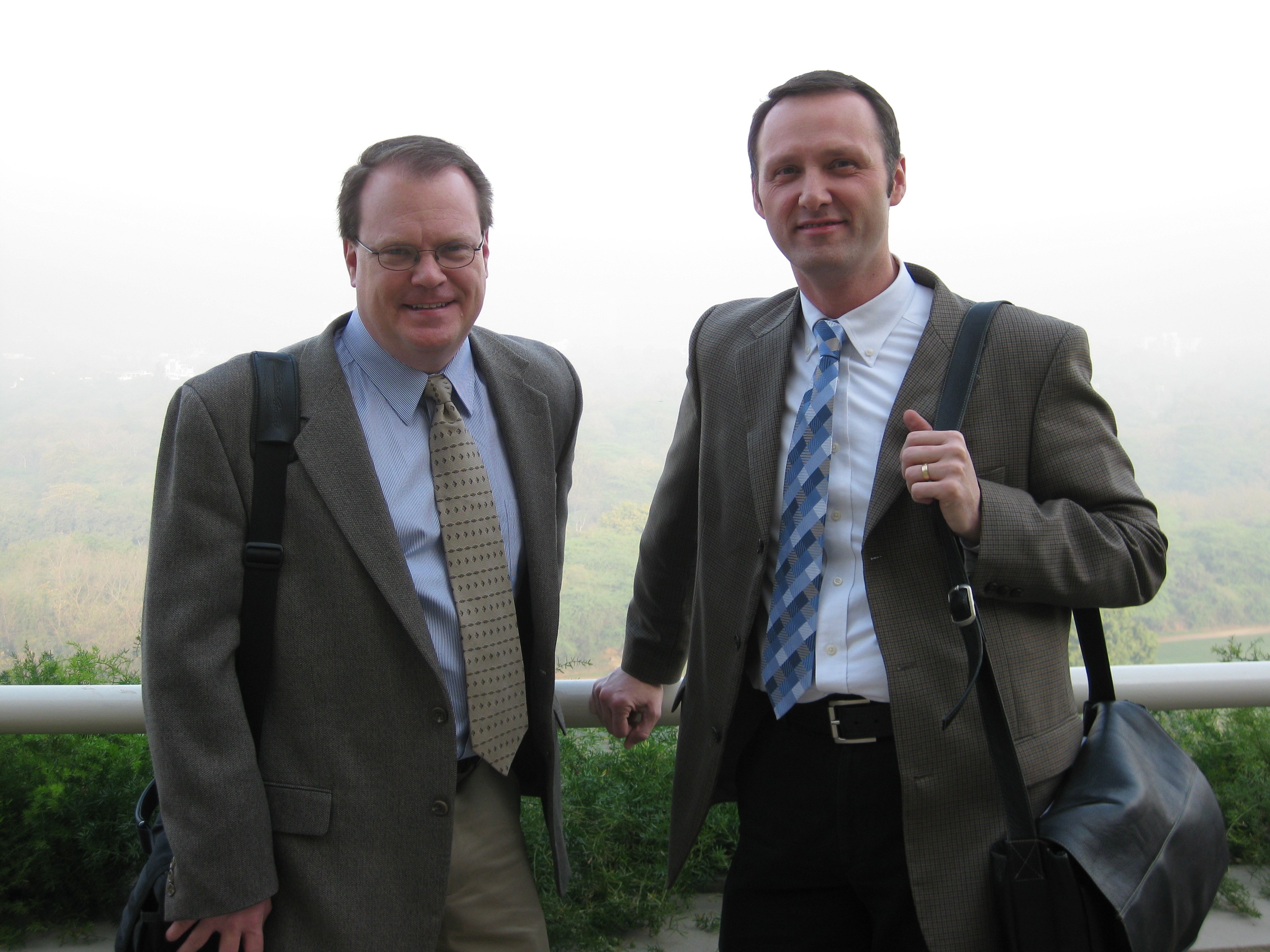

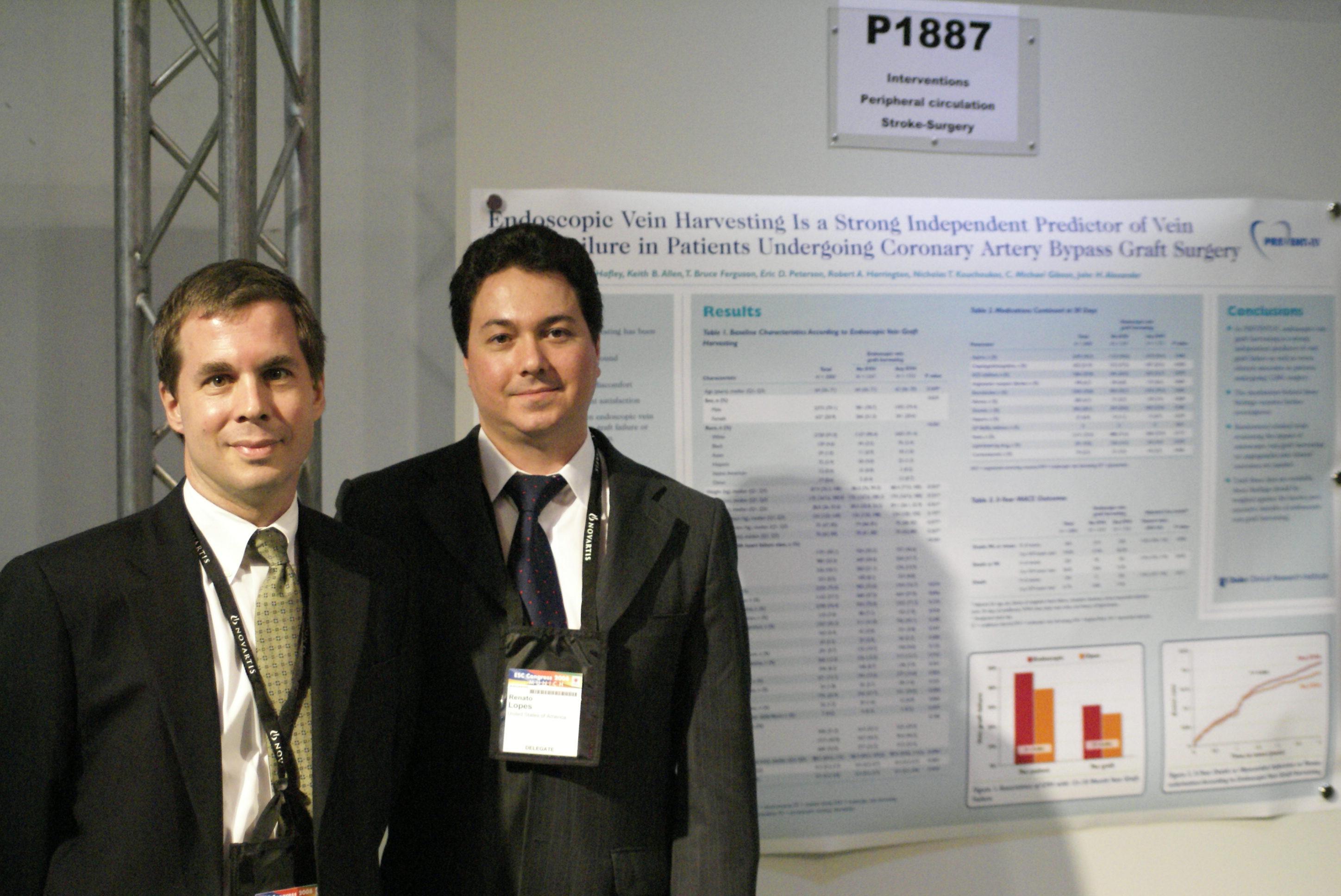
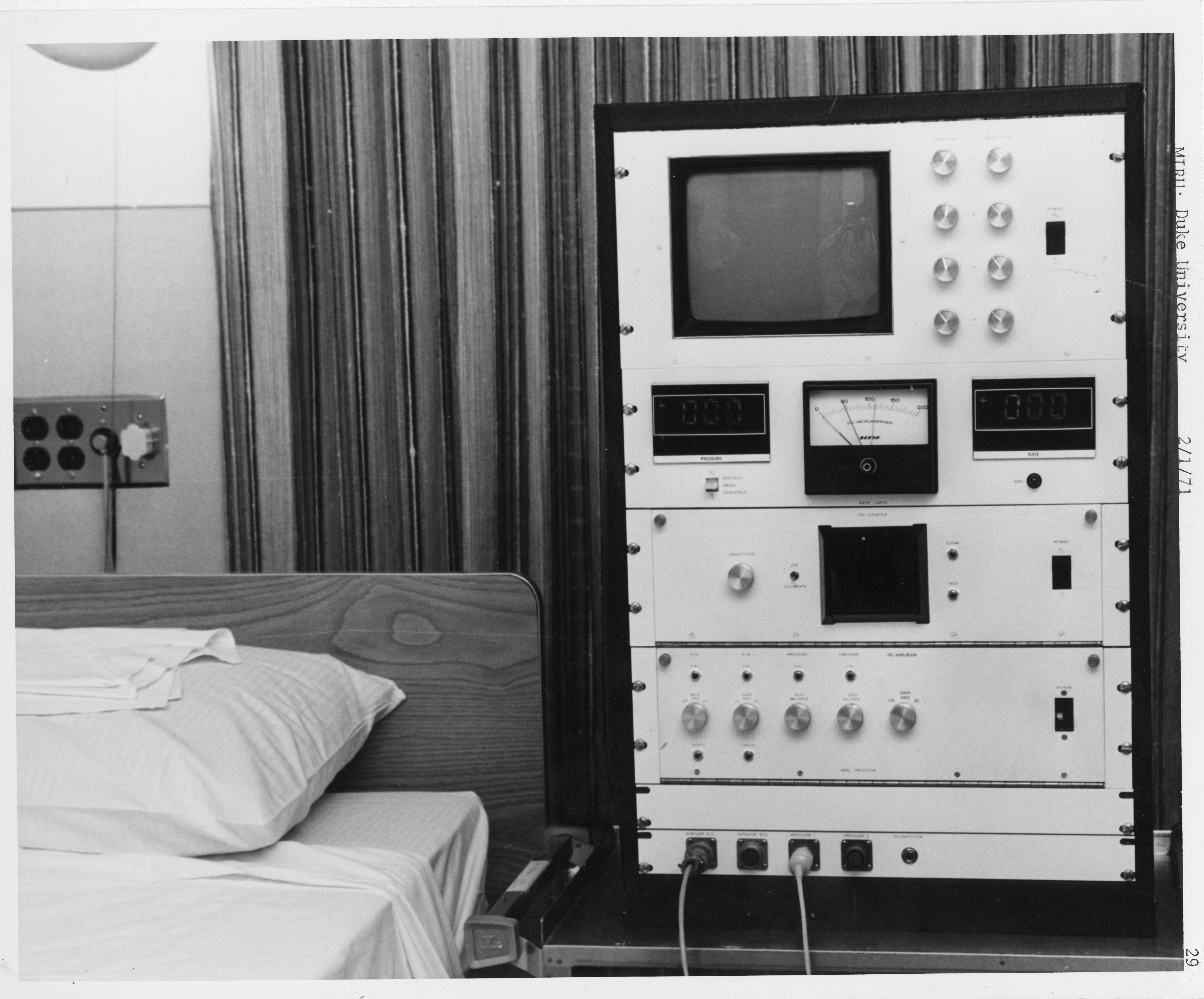
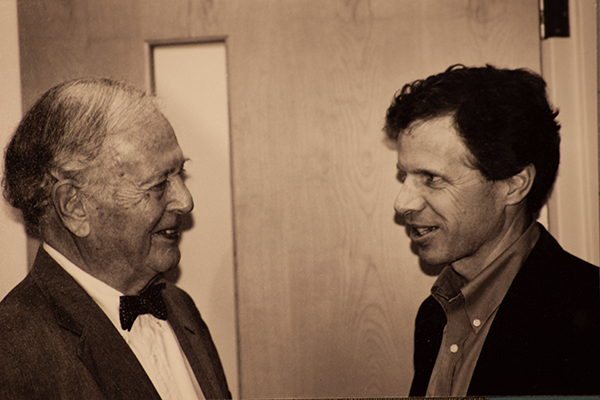
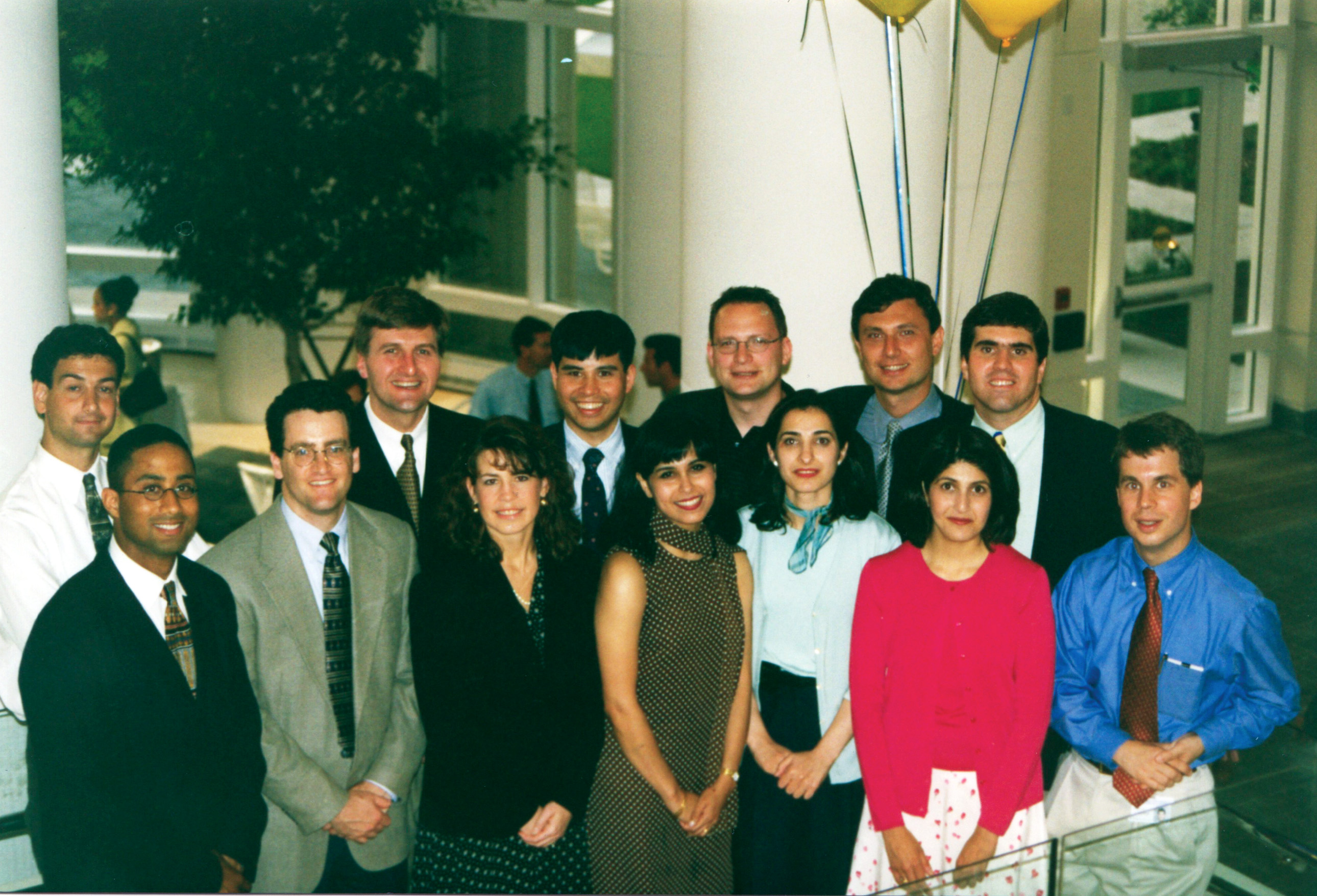




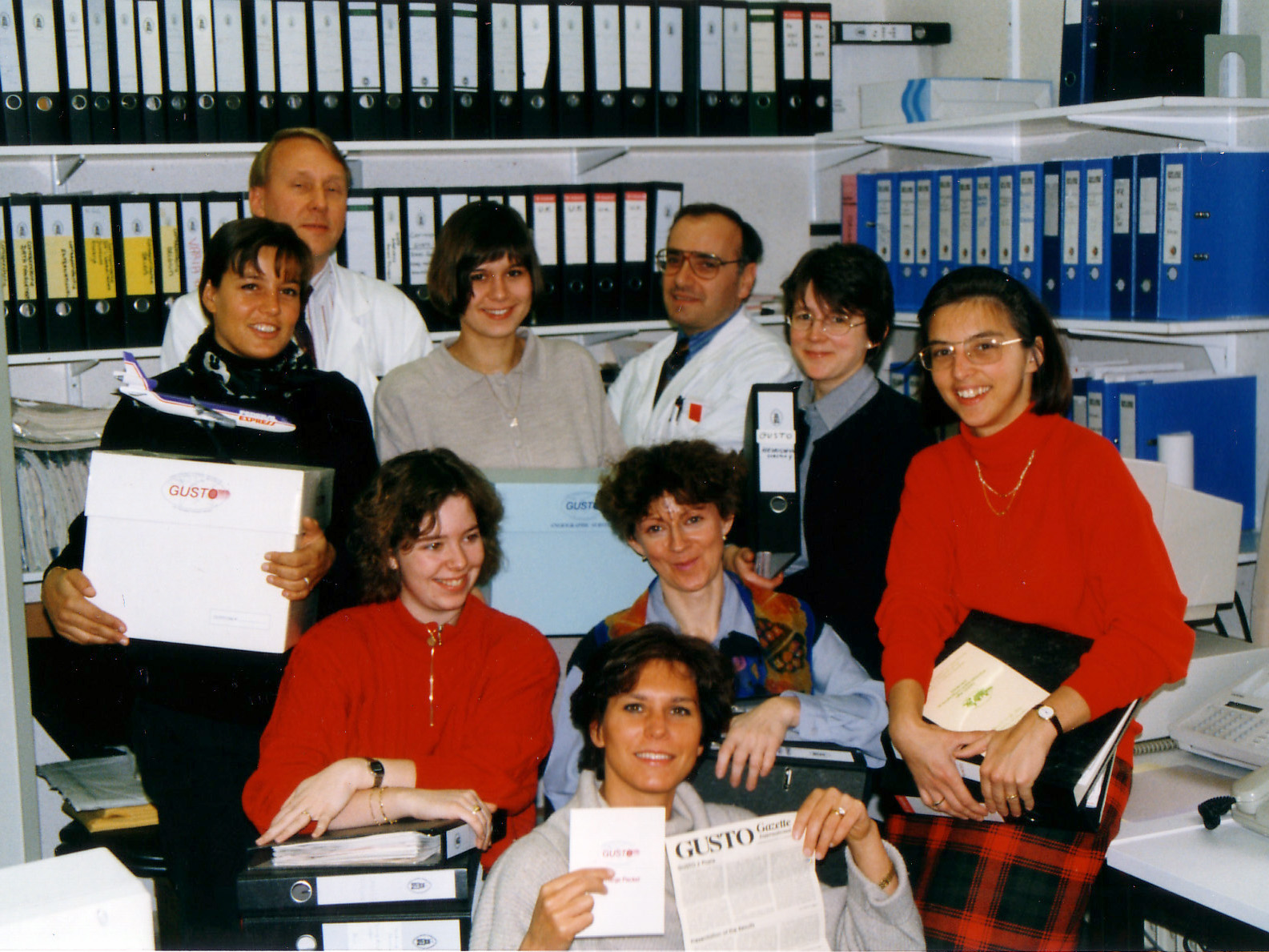
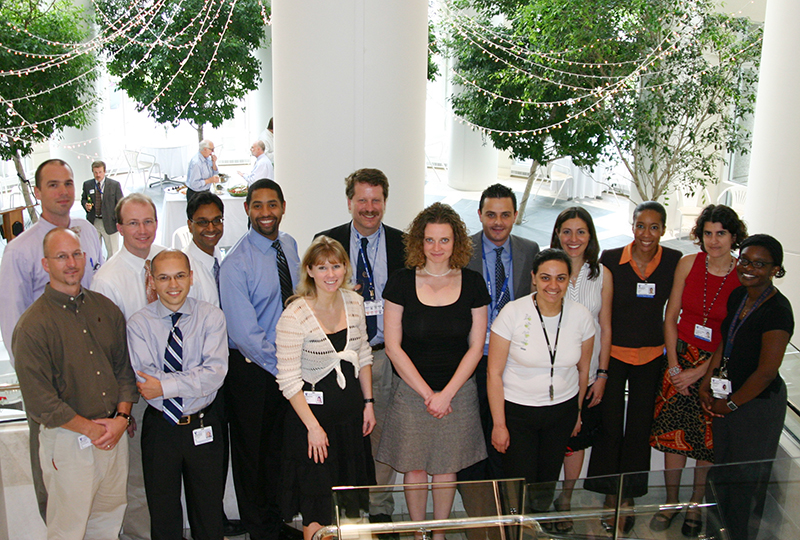


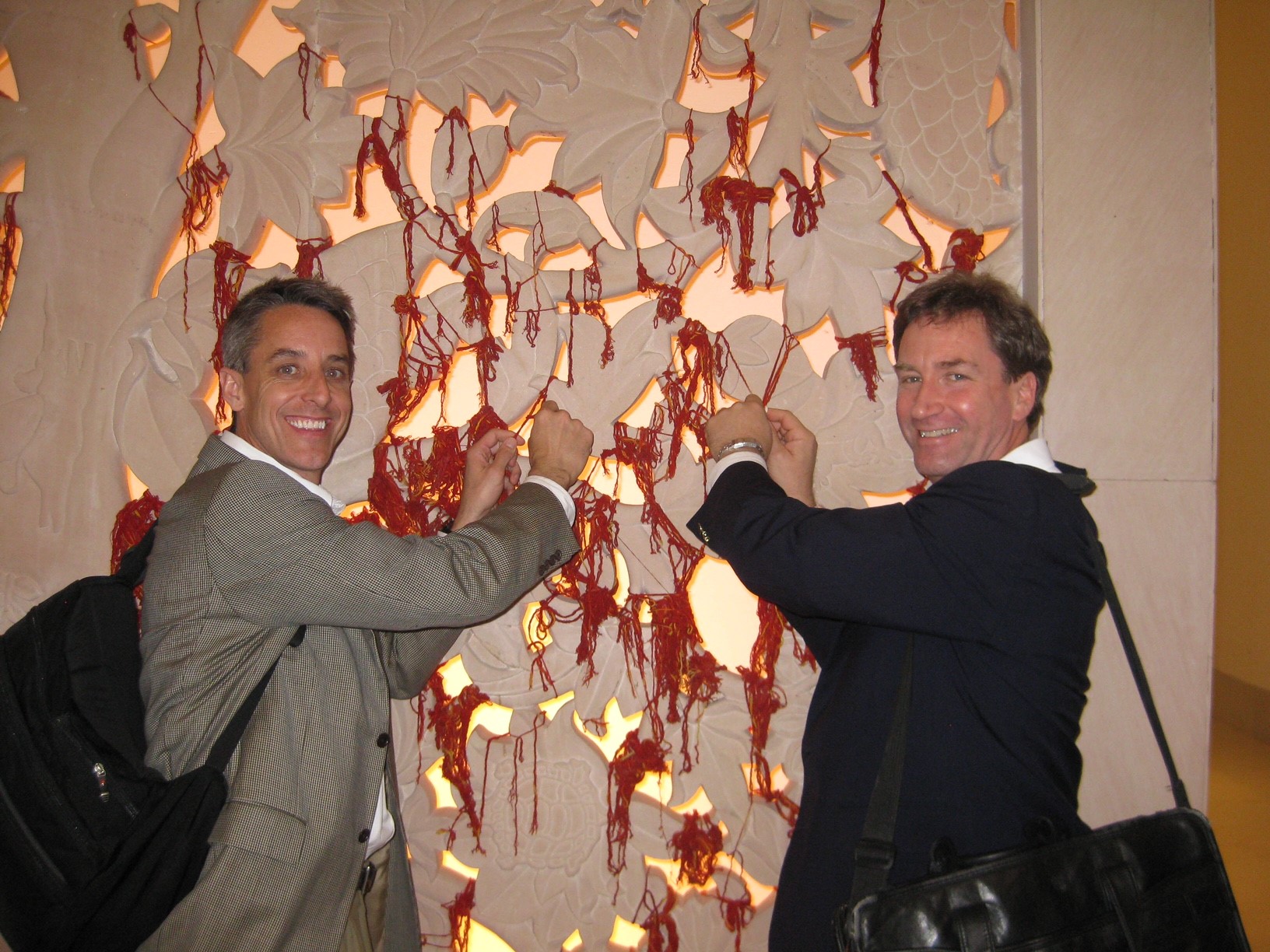


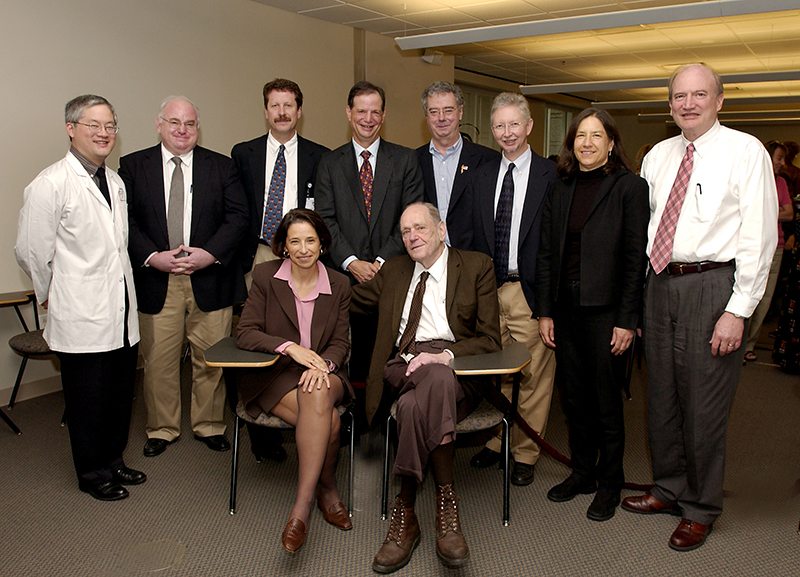

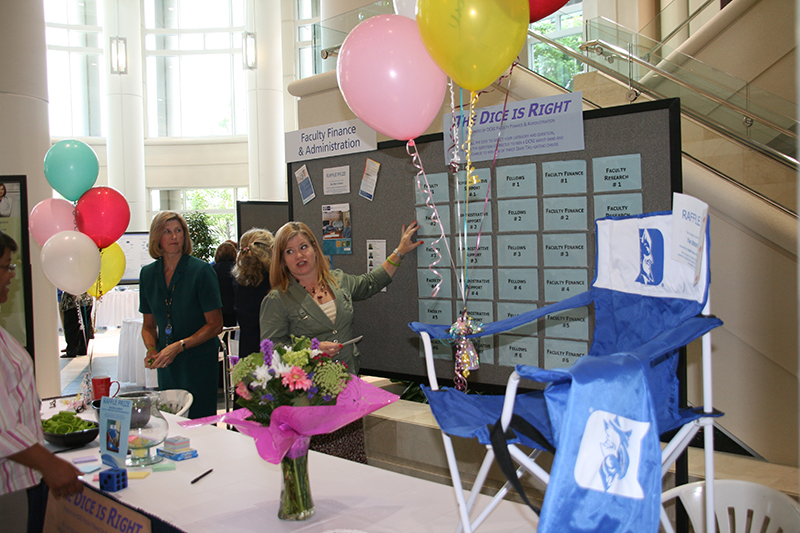

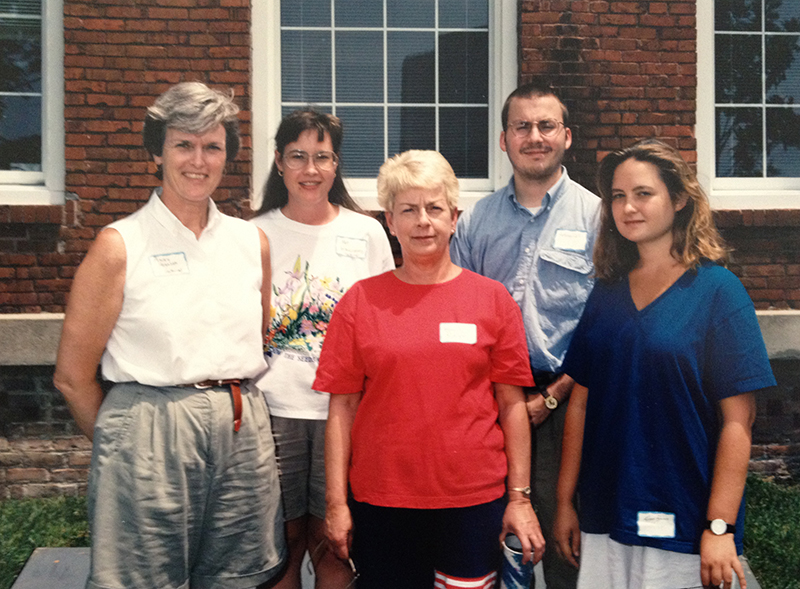







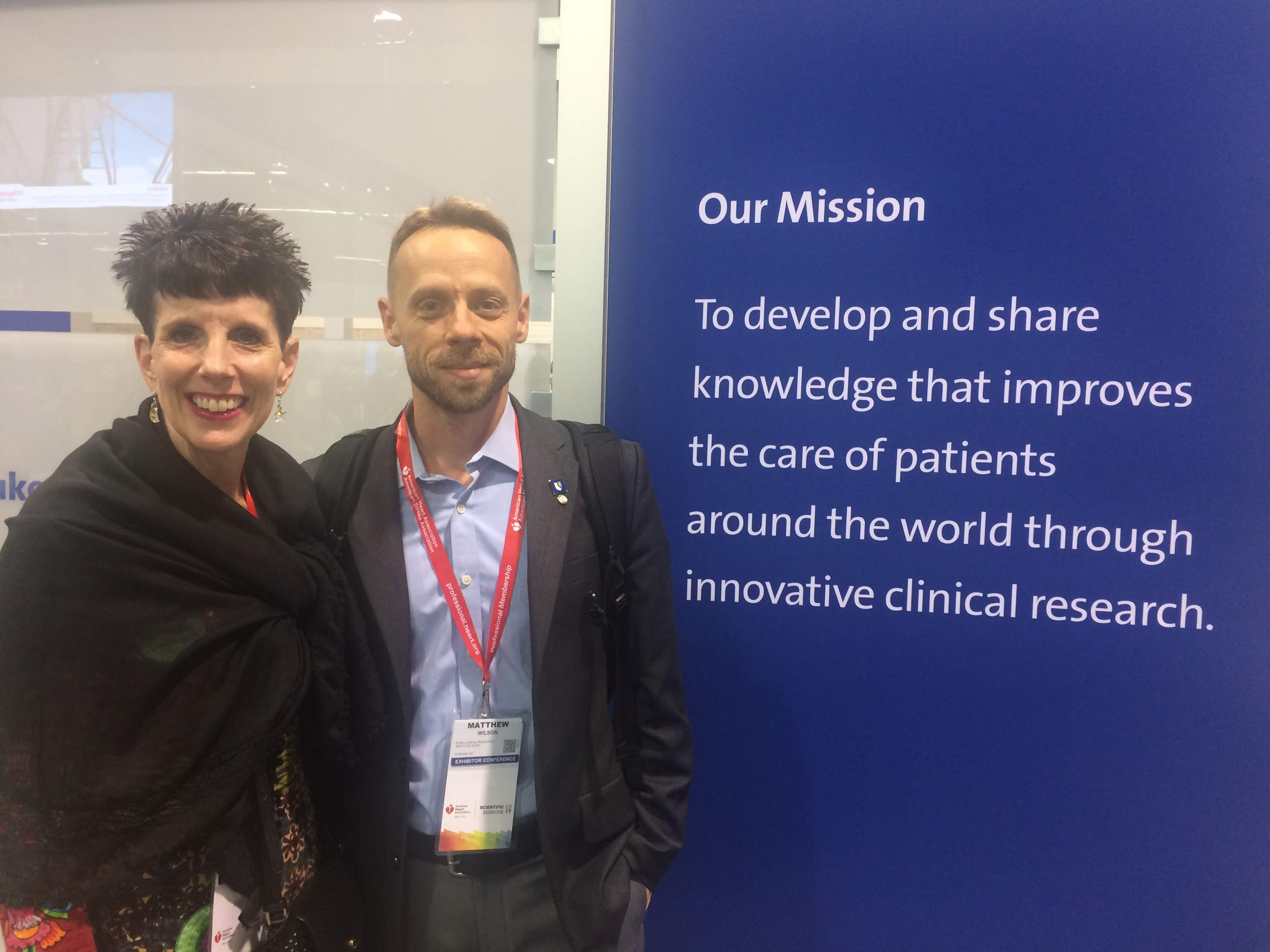
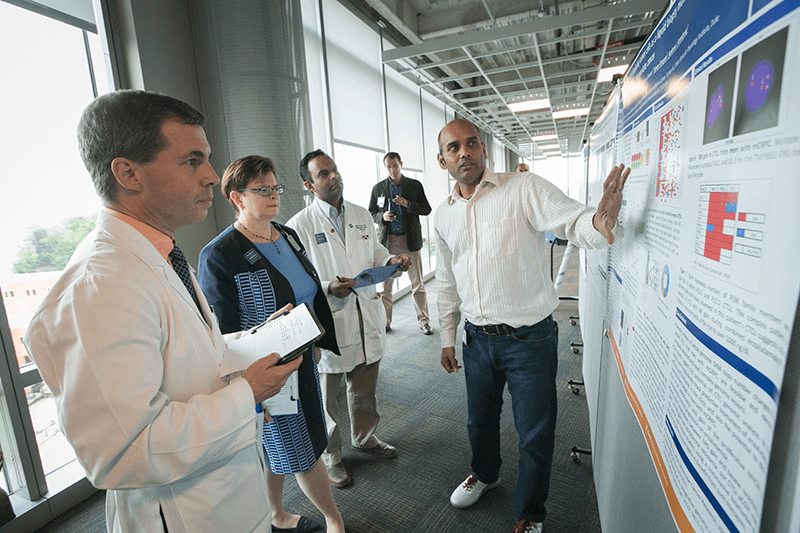



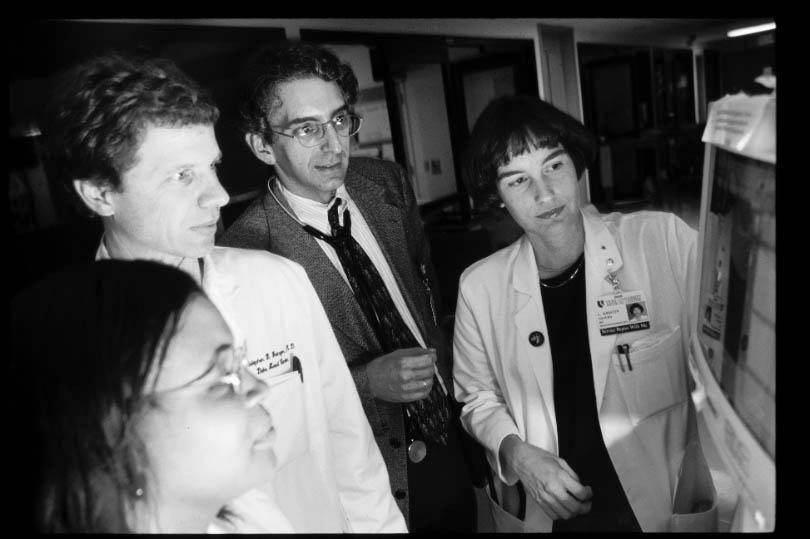

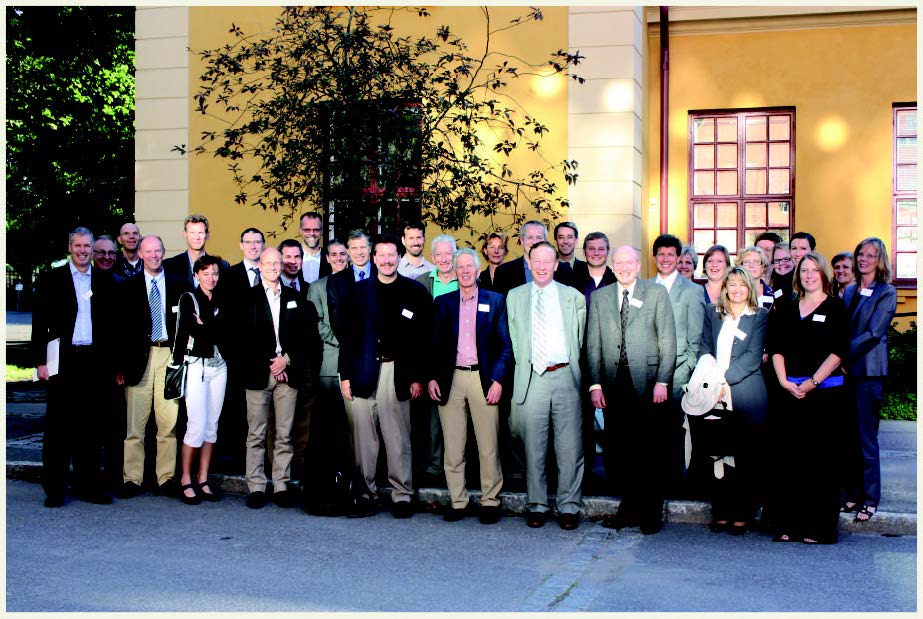

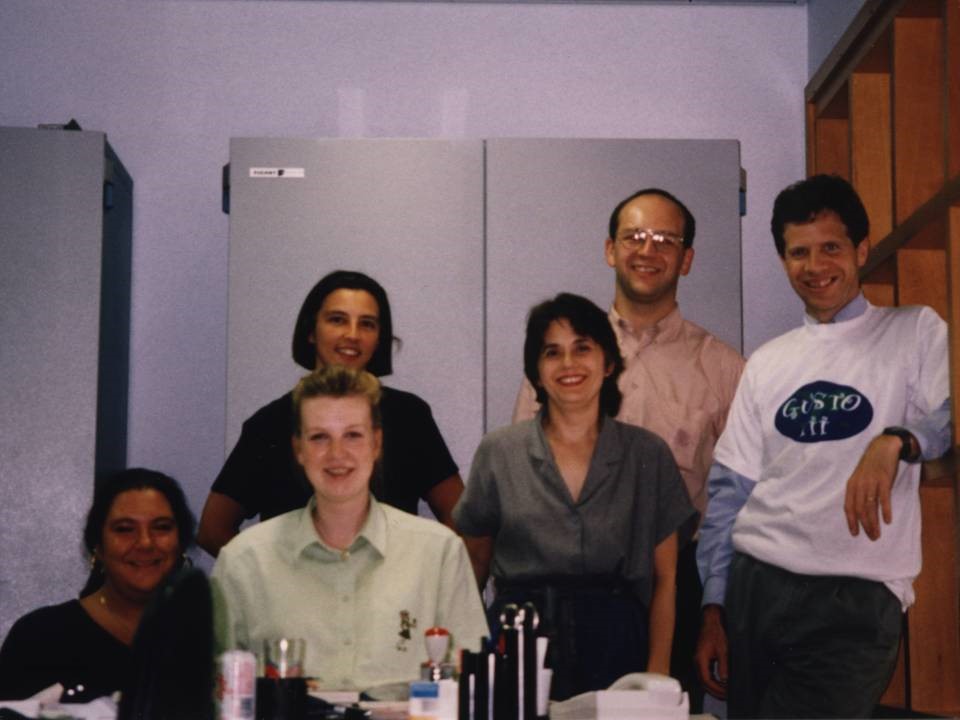

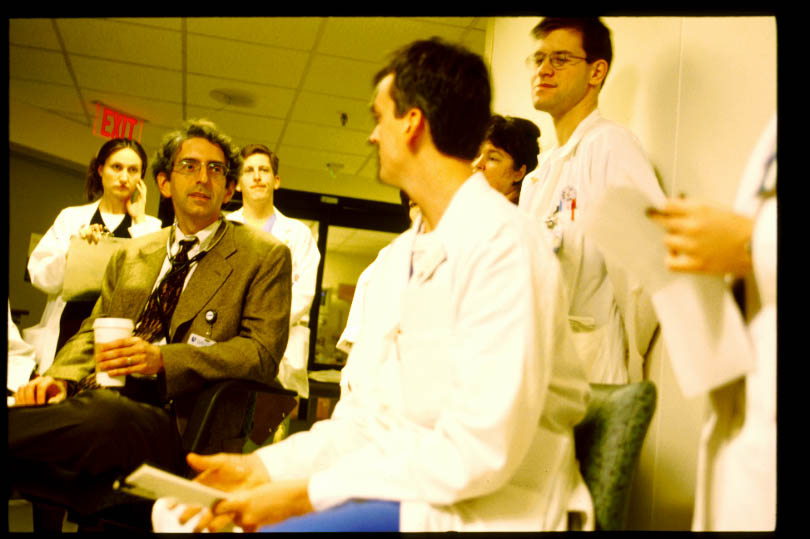
The DCRI’s greatest strength has always been its people. From the earliest days of the Databank to today’s global research enterprise, scroll through photos capturing moments of collaboration, discovery, and community.
Shaping the Future of Clinical Reseach
Thirty years in, the DCRI is not slowing down. The same spirit of invention that launched a research revolution from a repurposed hyperbaric chamber is now driving a new generation of approaches designed to make clinical research faster, smarter, and more accessible.

Across the institute and in partnership with Duke, DCRI teams are harnessing artificial intelligence and emerging technologies to improve how trials are designed, operated, and analyzed—from streamlining administrative workflows to unlocking new efficiencies in data management. These capabilities enable the us to deliver innovative trial designs with rapid startup, effective execution tailored to the unique demands of every project, and reliable results, all backed by the thought leadership of a world-renowned medical institution. Through i-Cubed, DCRI’s center for clinical research innovation, the institute is also cultivating the next wave of tools and technologies—serving as an incubator where researchers, entrepreneurs, and industry partners can develop and test solutions poised to transform clinical research.

The DCRI is also strengthening networks and partnerships that enable large-scale research. In 2025, the institute launched the UNICORN Network in collaboration with 17 academic data coordinating centers, forming a first-of-its-kind alliance to bolster the infrastructure for academic-led clinical research. As the coordinating center for PCORnet, the National Patient-Centered Clinical Research Network, the DCRI continues to advance research powered by electronic health records, building on the success of landmark studies like ADAPTABLE. Through longstanding registries, including those focused on progressive lung diseases such as idiopathic pulmonary fibrosis and interstitial lung disease, the DCRI is generating real-world evidence where data are scarce, and patients are still searching for answers.
Meanwhile, the Pediatric Trials Network continues to highlight DCRI’s ongoing leadership in pediatric research. Since 2010, the network has contributed to 26 drug label changes, helping ensure that the nation’s youngest patients receive medications that have been properly studied for their needs. This ongoing relationship reflects continued trust in DCRI’s ability to translate rigorous science into meaningful regulatory change.
As the next chapter unfolds, the DCRI remains true to its original mission: developing and sharing knowledge that improves health for everyone. The questions are bigger, the tools more powerful, and the need for trusted, rigorous evidence has never been greater.
Here’s to the next 30 years—and beyond.