The Summer Training in Academic Research (STAR) Program is a national resource that provides a high-quality research experience for high school, undergraduate, and medical students during the summer academic break.

Since 2013, students interested in science and medicine have trained in research methods, writing, and career development at the Duke Clinical Research Institute in Durham, NC. In 2024, the program expanded to include a five-week program specifically designed for medical students.
Expansions to the STAR Program

Use the buttons below to learn more about each program, including eligibility, compensation, and application deadlines and requirements.
Montana, West Virginia, and Texas
Duke-MSU Undergraduate Applicants
Program Details
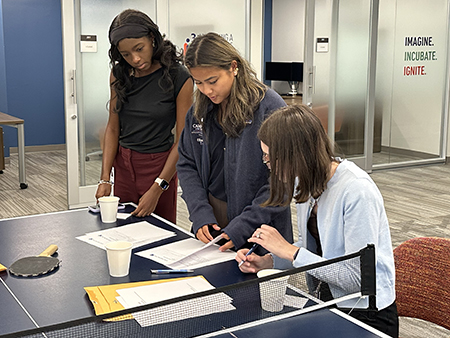
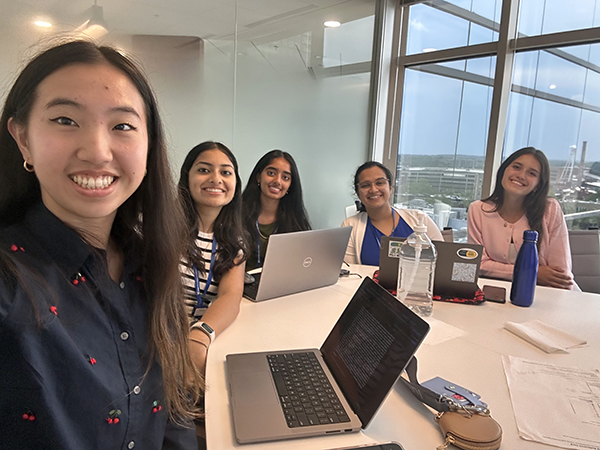
In the first two weeks of the in-person program, participants meet with their faculty mentors and develop a specific question or issue related to the uses and effects of a particular medication. The teams then perform a thorough review of the literature and develop an in-depth description of the research question. Participants who are 18 years and older will also experience clinical medicine firsthand by shadowing a physician on hospital rounds.
During the in-person weeks, the teams develop a thesis consisting of a description of the research question, aims, methods, figures/tables, results, and discussion for their specific project. Throughout this time, a medical writer provides tutorials on developing a scientific manuscript, a statistician provides lectures in applied statistics and works with students to analyze data, and Duke medicine and pediatrics faculty members give lectures on neonatology, antimicrobial therapy, and pharmacoepidemiology. The program also includes a medical ethics seminar on the responsible conduct of research.
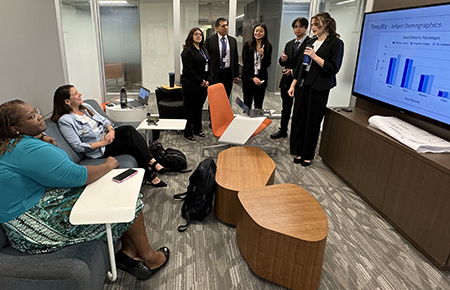
To review progress and ensure the scientific validity of their work, program participants meet with their mentors weekly. At the conclusion of the in-person program, teams do a formal presentation and, in early August, complete a written thesis of their project. The papers are included in articles submitted to peer-reviewed scientific journals, meaning that the participants have the potential of having their work published.
"I feel like the program has given me a lot of space to think deeply about where I want to go in a way I haven't had the time to do prior." STAR Program attendee
Why Publish?
Publishing research can be a critical step toward a scientific or medical career. It provides recognition from the scientific community and an opportunity to build relationships with others who are doing research in the field, who can provide feedback and offer ideas for future research. Publishing also provides the opportunity to get results out into the world. Even if research findings are groundbreaking, they will not make any difference if no one knows about them and cannot apply them to real patients.
Some examples of previously published articles by Duke's STAR program participants include:
- Impact of Gastrostomy Tube Placement on Short-Term Weight Gain in Hospitalized Premature Infants
- Medications and in-hospital outcomes in infants born at 22-24 weeks of gestation
- Surfactant Administration in Preterm Infants: Drug Development Opportunities
- Furosemide Exposure and Prevention of Bronchopulmonary Dysplasia in Premature Infants
- Predictors of Prolonged Breast Milk Provision to Very Low Birth Weight Infants
- Evaluation of Gentamicin Exposure in the Neonatal Intensive Care Unit and Hearing Function at Discharge.
- Prevalence and safety of diazoxide in the neonatal intensive care unit.
- Association of Atrial Septal Defects and Bronchopulmonary Dysplasia in Premature Infants.
- Association between Furosemide Exposure and Patent Ductus Arteriosus in Hospitalized Infants of Very Low Birth Weight.
- In-hospital outcomes of premature infants with severe bronchopulmonary dysplasia.
- Risk factors for group B streptococcal disease in neonates of mothers with negative antenatal testing
- Effectiveness of Granulocyte Colony-Stimulating Factor in Hospitalized Infants with Neutropenia
- Rifampin use and safety in hospitalized infants
- Use and safety of erythromycin and metoclopramide in hospitalized infants
- Cefepime and ceftazidime safety in hospitalized infants
- Enteral feeding with human milk decreases time to discharge in infants following gastroschisis repair
- Safety of histamine-2 receptor blockers in hospitalized VLBW infants
- Early-onset sepsis in term infants admitted to neonatal intensive care units
STAR Program Faculty
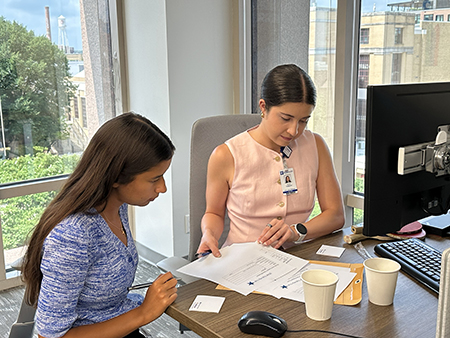
The program capitalizes on world-renowned training programs in place at Duke University under the leadership of Sarah Armstrong, MD, professor of pediatrics and professor of family medicine at Duke, and Danny Benjamin, MD, PhD, distinguished professor of pediatrics at Duke and deputy director of the Duke Clinical Research Institute. Other faculty in the STAR Program are actively involved in NIH-sponsored research in clinical pharmacology, statistics, epidemiology, therapeutics, and trials. Combined, these faculty members have more than 200 publications on which trainees are listed as either first author or co-author. The team of instructors also includes a writing instructor, statisticians, and operations staff. View profiles of the instructional team members.