
Stay informed of research news regarding our thought leaders, collaborations, and partnerships.

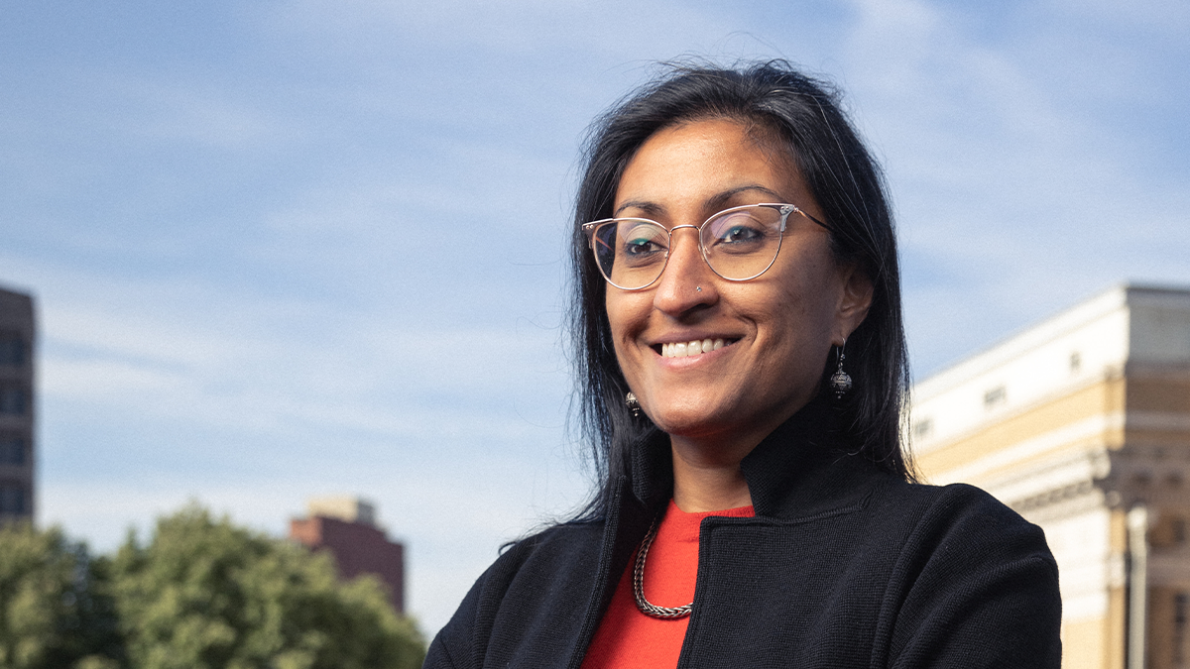
Manesh Patel, MD, chief of the Division of Cardiology at Duke University School of Medicine and the new president of the American Heart Association (AHA), used his presidential address at the AHA’s Scientific Sessions on November 8 to argue that medicine’s next great challenge is not only making discoveries, but getting them to the people who need them. He called it “science’s last-mile problem.”
Despite the availability of effective, low-cost medications, about 80% of people with hypertension do not have their blood pressure under control. One reason is deceptively simple: Taking medication every day can be difficult, especially for patients who already take multiple drugs. Duke cardiologists are studying whether a novel treatment given just twice a year could help close that gap by reducing the burden of daily medication.

DCRI Accomplishments showcases the publications, awards, and other achievements of our faculty, staff, and trainees. Each quarter, a new collection will highlight the most recent accomplishments. Together, these accomplishments reflect the breadth of DCRI’s impact.
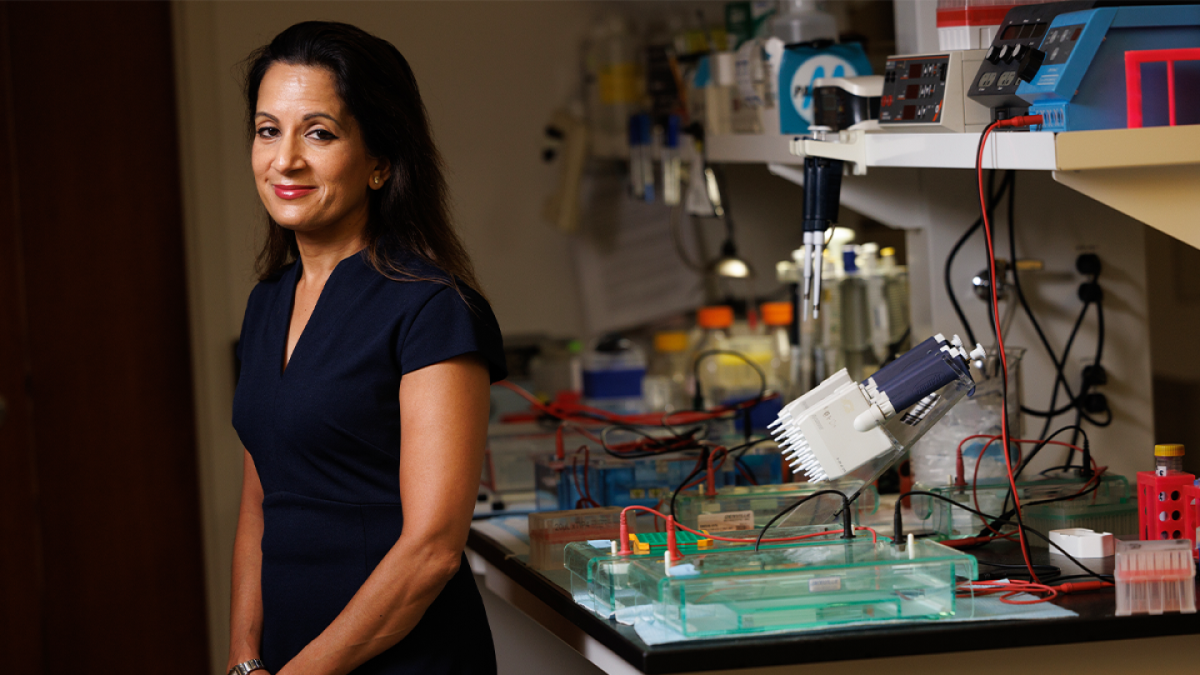
Svati H. Shah, MD, was a cardiology fellow at Duke in the early 2000s when a realization began to haunt her: Young men and women in their 20s and 30s were arriving in the cardiac unit with heart attacks that seemed to defy explanation. "Some seemingly healthy people developed heart disease," she said, "while others did not." Shah could not stop asking why. That question — quiet and persistent — would shape the next three decades of her career, and in ways she couldn't predict then, help reshape what cardiology itself is becoming.


