
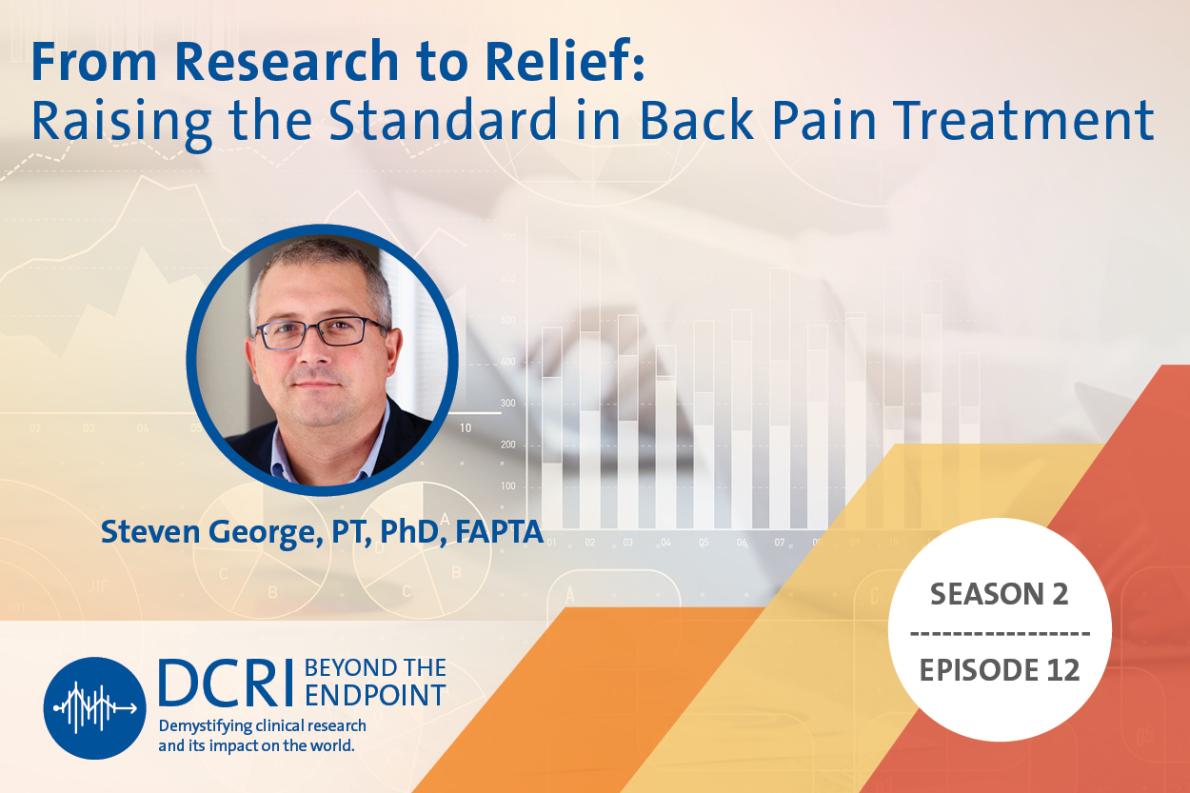
S.2 Ep. 12 | From Research to Relief: Raising the Standard in Back Pain Treatment
Streaming now on: Amazon Music | Apple Podcasts | Spotify | Soundcloud | YouTube
Learn More About Beyond the Endpoint | View All Episodes
Nearly 40% of Americans have experienced back pain in the past three months, yet advice for managing it remains conflicting, inconsistent, and ineffective. In this episode of Beyond the Endpoint, host Emily O'Brien talks with her DCRI colleague Steven George, a physical therapist turned researcher whose career has been driven by a persistent frustration: treatment for chronic back pain has not kept pace with the science. George traces his journey from clinical practice to research, describing how early exposure to patient-reported outcomes led him to pragmatic trials and biopsychosocial models of care. The host and guest explore research that compares supported self-management and spinal manipulation with usual medical care, and discuss why introducing non-drug options earlier in the patient journey may lead to better outcomes. The episode also covers the structural barriers that prevent many patients from accessing evidence-based treatments, tips for navigating the flood of back pain "cures" on social media, and what an optimally designed care system might look like.
Related Link
- Spinal Manipulation and Clinician-Supported Biopsychosocial Self-Management for Acute Back Pain (JAMA, Dec. 2025)
About Our Guest
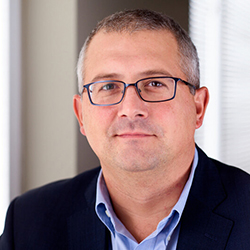
Steven George, PT, PhD, FAPTA, is a physical therapy researcher and leading expert in musculoskeletal pain, with a primary focus on biopsychosocial models for the prevention and treatment of chronic pain disorders. His long-term research goals center on improving the accuracy of predicting who will develop chronic pain and identifying non-pharmacological treatment options that limit the progression of chronic pain conditions. He currently serves as Editor-in-Chief of the Physical Therapy & Rehabilitation Journal, the official journal of the American Physical Therapy Association. He has contributed to the development of clinical practice guidelines for the Academy of Orthopaedic Physical Therapy and the American Psychological Association. An active member of the American Physical Therapy Association, the United States Association for the Study of Pain, and the International Association for the Study of Pain, Dr. George has been recognized with prestigious research awards from all three organizations.